Motor City: AED/sqft, yield, best fit by buyer profile (2026)
Motor City's comparable AED/sqft and gross/net yield benchmarks are not established by the retrieved sources as of 6 October 2026. Household fit rests on housing format, school arrangements and dated journeys. Property Finder displayed AED 1.3M across 1,287 listings under Buy / All property types / All bedrooms, a changing mixed-property asking snapshot.
Housing settings at a glance, source pages retrieved 6 October 2026
Source: withlida.com, 6 October 2026. Descriptions: Union Properties MotorCity, OIA Residence, Bayut Uptown guide, Bayut Motor City guide and Bayut OIA guide, retrieved that date. These rows compare housing settings, not mutually exclusive districts or verified unit occupancy.
Last verified: 6 October 2026. Source periods are identified beside the relevant figures.
The market today
Property Finder displayed a median asking price of AED 1.3M across 1,287 listings under the specified Motor City purchase filters on 6 October 2026. That is a changing, mixed-property asking snapshot, not completed sales, a bedroom benchmark or a price for every housing setting.
Motor City asking-data snapshot, retrieved 6 October 2026
Source: withlida.com, 6 October 2026. Original observation from Property Finder's Motor City area-insights page, with the filters shown above.
The mixed median cannot establish a one-bedroom apartment's budget or a villa's budget. A comparison of selected homes needs the same format and bedroom count, the relevant asking or agreed price, area measurement, condition and date. Completed-sale evidence is a separate measure and needs its own source and transaction period.
For renting, the household budget starts with the selected home's annual rent and payment schedule, then its deposit, agreed fees and operating costs. No rental bedroom prices are assigned here. Bayut's H1 2026 sales report and H1 2026 rental report, reopened 6 October 2026, contain no Motor City cost row. The portal snapshot is not converted into a period report or a matched rental-return calculation.
What area is Motor City and who develops it?
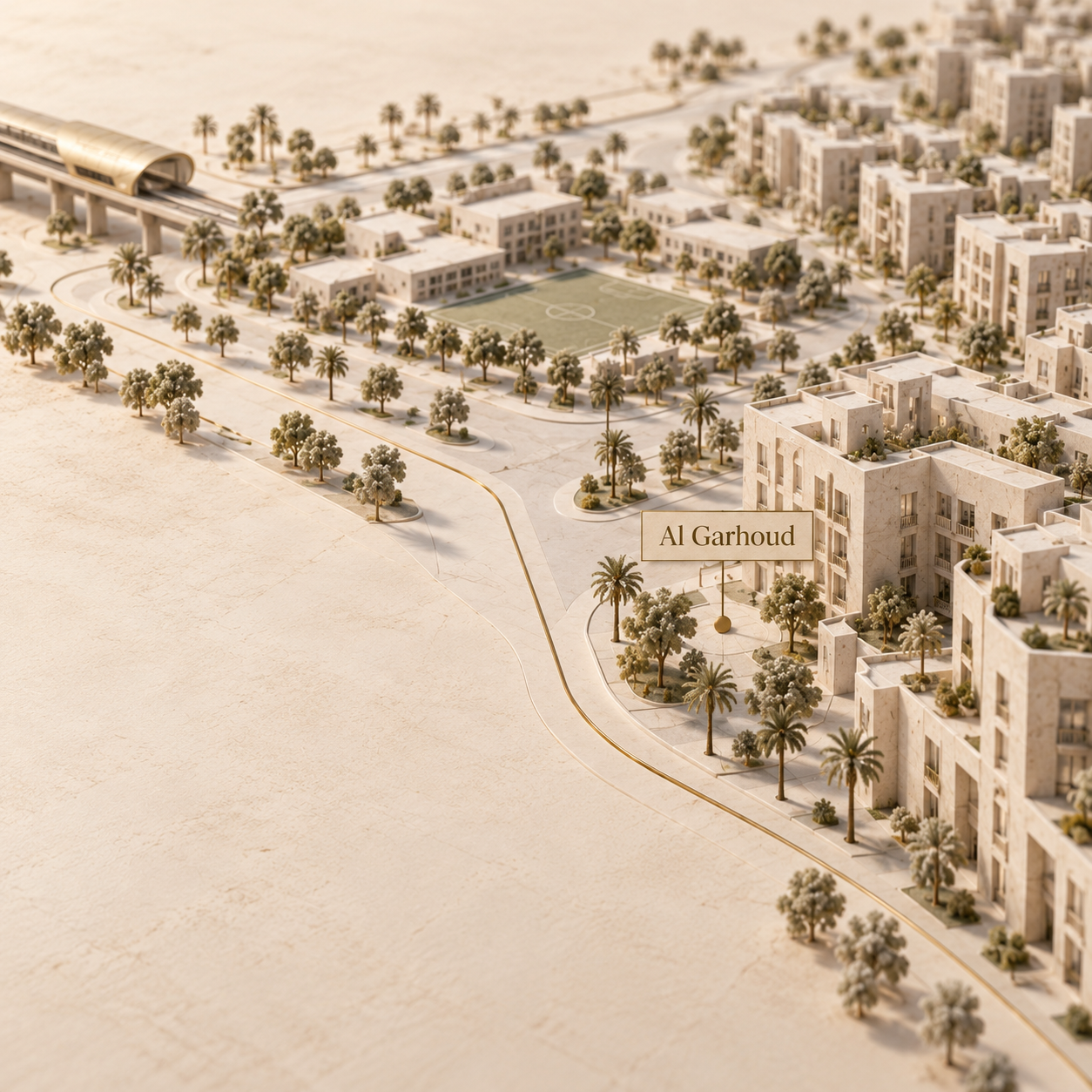
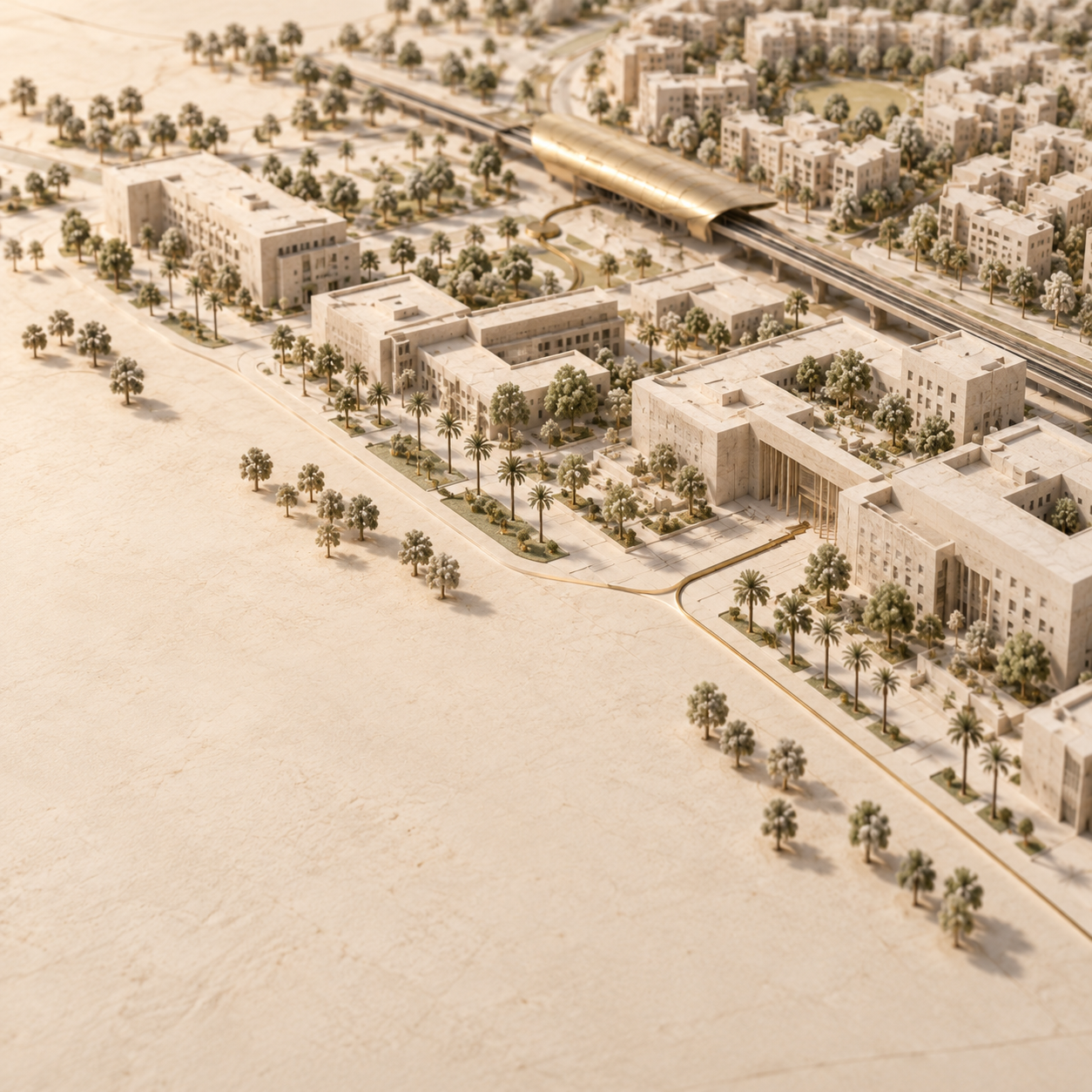
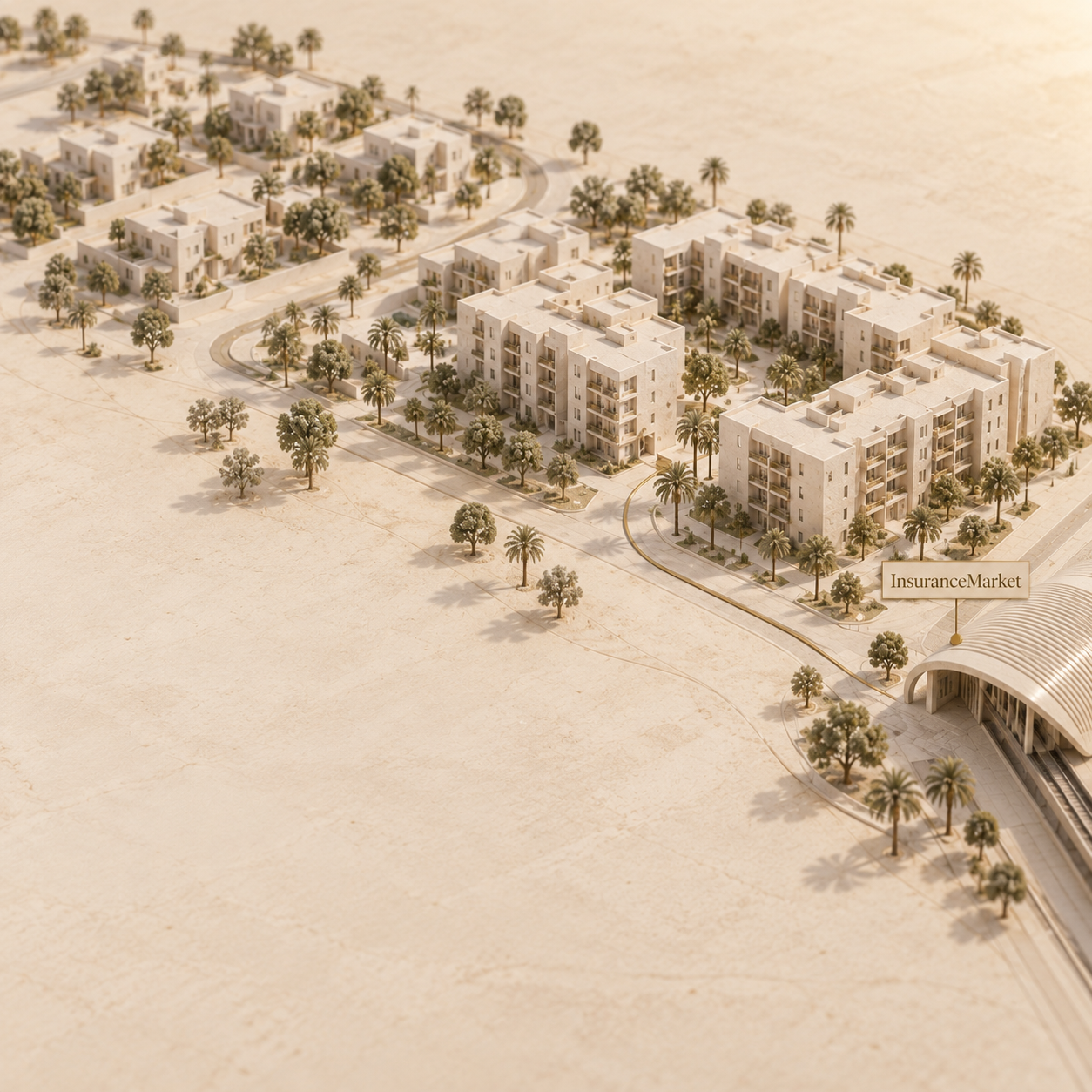
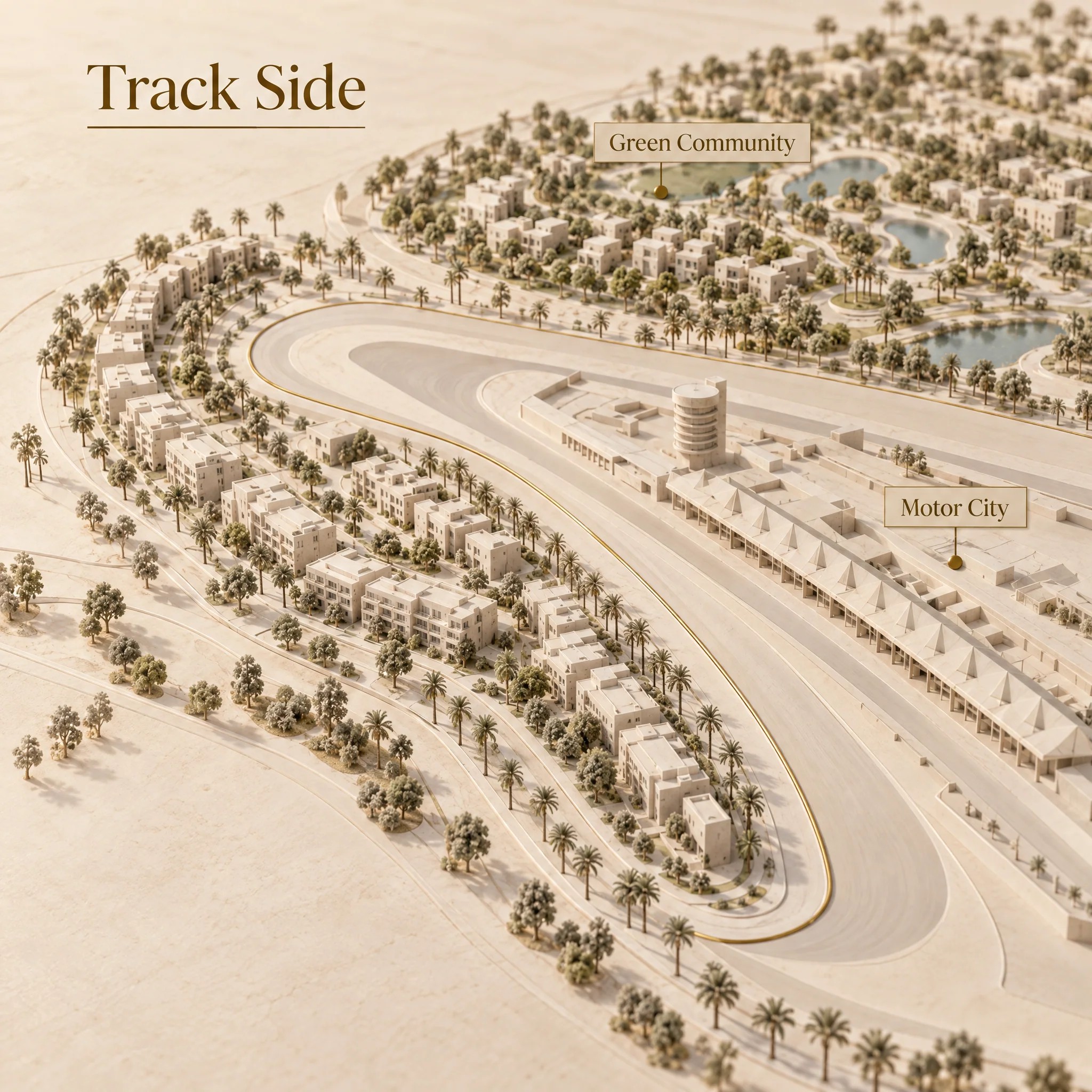
Motor City is Union Properties' motorsport-themed master community, bringing residential, commercial, sports and leisure uses together around Dubai Autodrome. The developer's current page names Avenue District, Uptown MotorCity, Green Community MotorCity, OIA Residence and Business Park MotorCity. It places Ribbon Mall at Dubai Land, Dubai Motor City, Al Hebiah 1. (Union Properties, retrieved 6 October 2026.)
Motor City is the community name used for the household search. For a selected home, the address and project label on the tenancy or ownership documents identify the property more precisely. Property Finder describes the community beside Dubai Sports City, Dubai Studio City and Arjan, off Sheikh Mohammed Bin Zayed Road, E311. (Property Finder area description, retrieved 6 October 2026.)
The sub-markets within Motor City
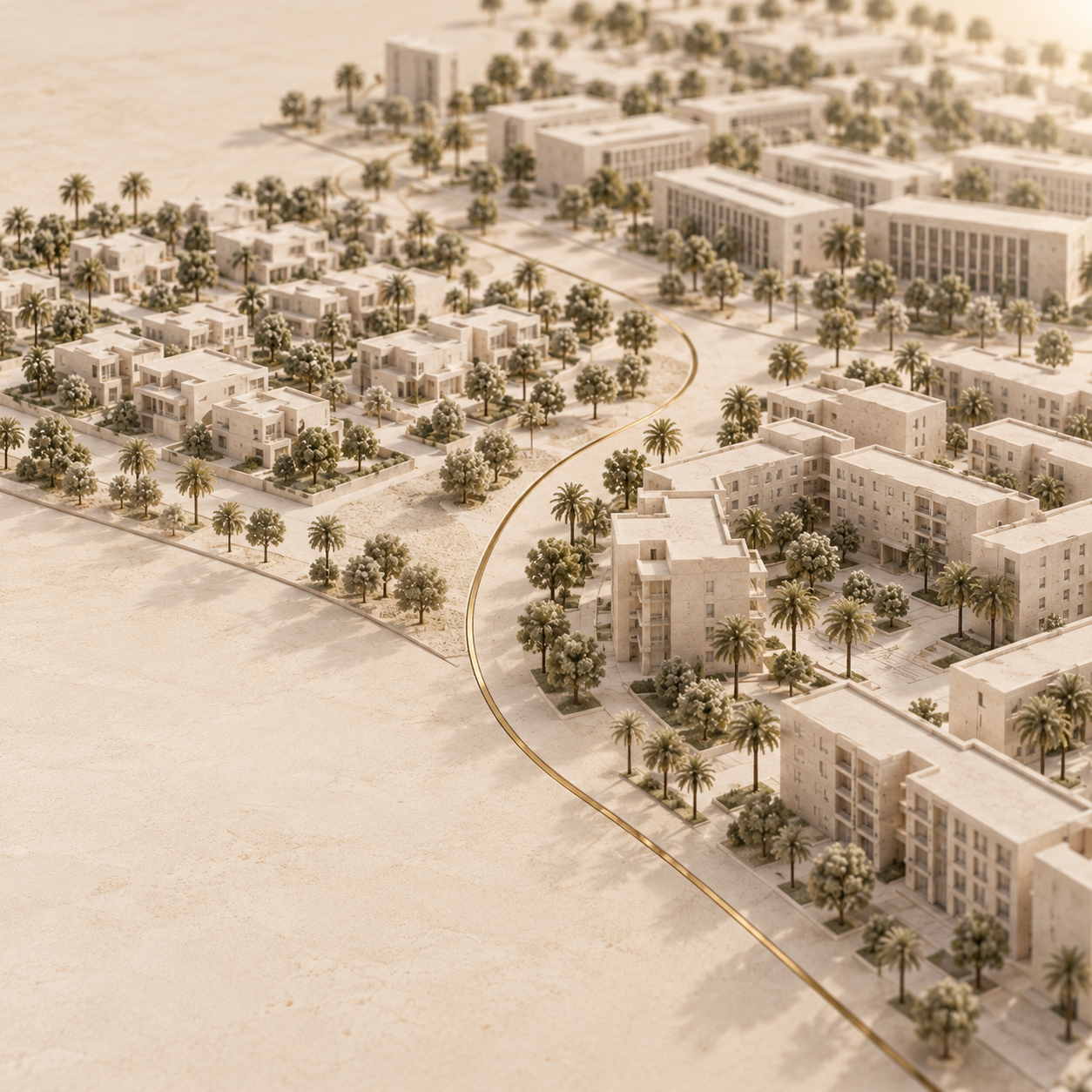
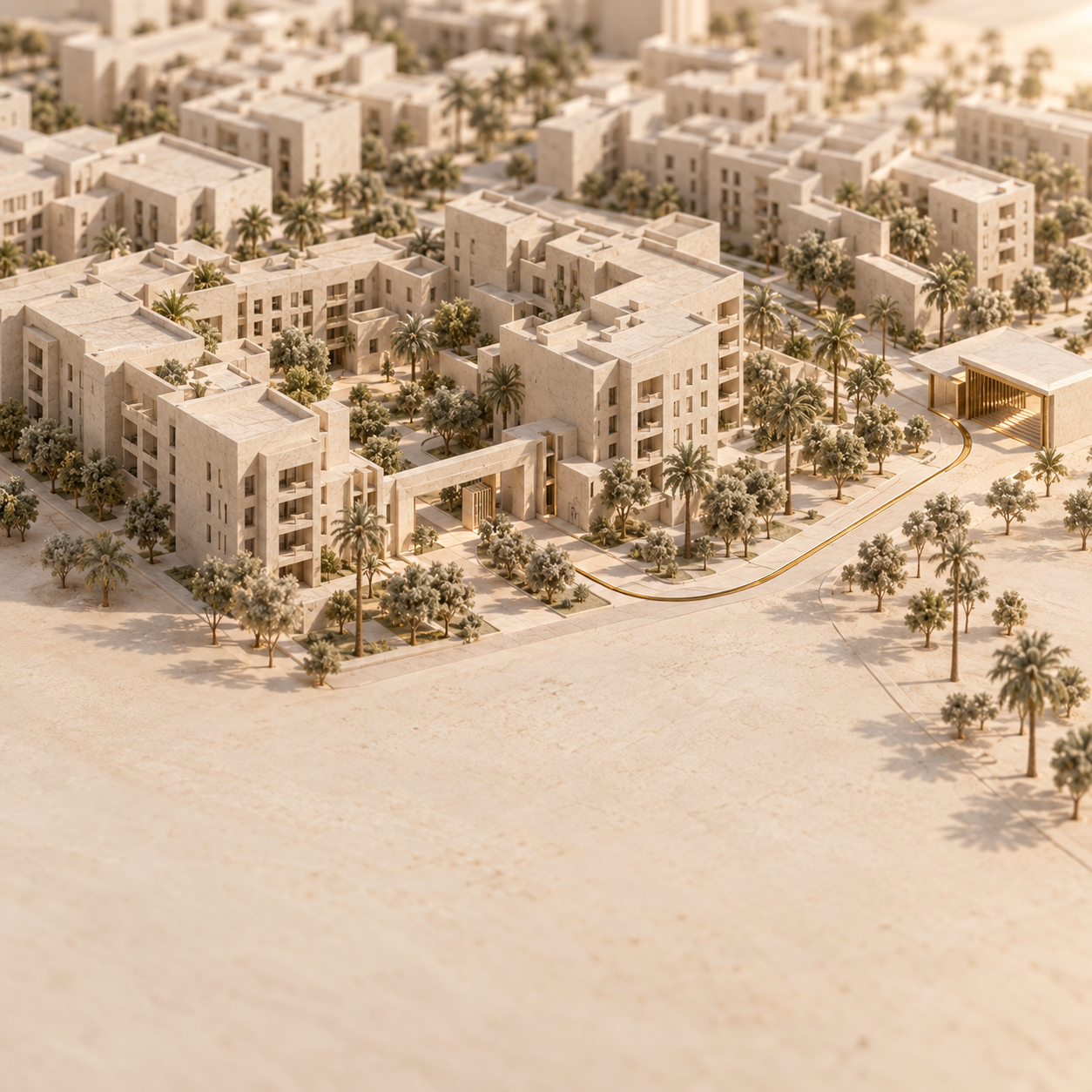
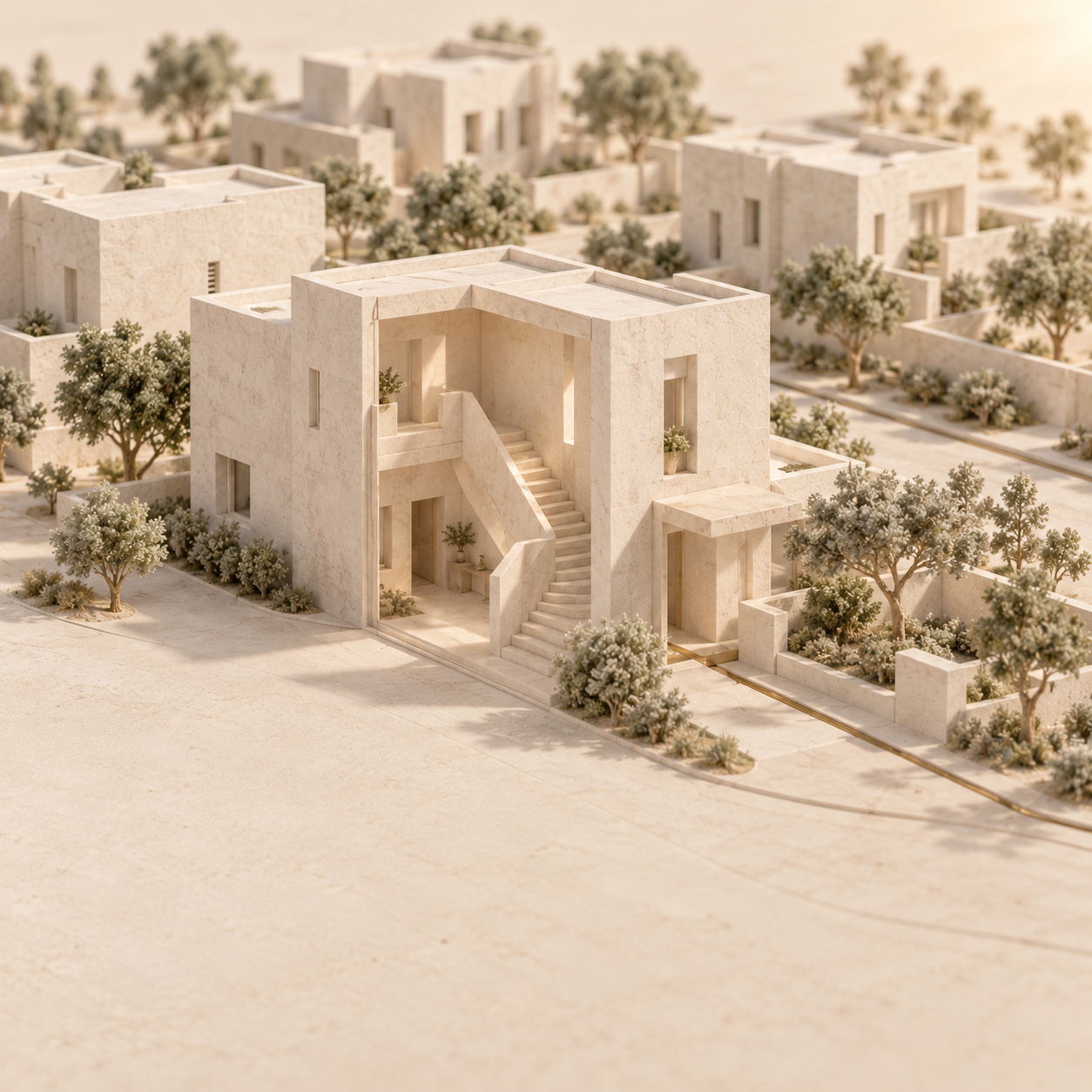
Motor City's residential descriptions include apartments, duplexes, townhouses, villas and bungalows. The housing-settings table above is the useful starting comparison, with the chosen home's floor plan and records resolving its exact format. (Union Properties, Bayut Motor City and OIA guide, retrieved 6 October 2026.)
Within each format, the household questions are concrete: bedroom arrangement, stairs, usable outdoor space, parking allocation, storage and access to the facilities it will use. For an immediate move, evidence of completion, the property's occupancy or vacancy position and an agreed possession date belongs to the selected-home file. A project description alone does not supply those answers.
What it costs to actually own here
A useful budget separates setup cash, refundable deposits, one-time charges and recurring bills. The selected lease or purchase documents provide the housing amounts; DEWA's move-in schedule supplies the utility setup components. Owner charges then need the selected project's approved budget and unit invoice.
DEWA setup cash, with assumptions shown
An illustrative residential flat with small meters, no Thukher or Sanad concession and no existing-deposit transfer needs AED 2,155 under the published components: AED 2,000 refundable deposit + AED 125 connection + AED 10 registration + AED 10 knowledge fee + AED 10 innovation fee. This is utility setup cash, not the household's full moving bill. (DEWA move-in service, as of October 2026, retrieved 6 October 2026.)
DEWA defines small meters as directly connected electrical meters and large meters as meters using current or voltage transformers. Bedroom count or a marketing description does not establish meter class. Its residential deposit categories are flat and villa; non-residential deposits depend on consumption.
DEWA move-in components and worked scenarios, as of October 2026
Source: withlida.com, 6 October 2026. Components: DEWA activation schedule, reopened that date. All scenarios assume no concession or deposit transfer. Small-meter charges: 125 + 10 + 10 + 10 = 155. Large-meter charges: 300 + 10 + 10 + 10 = 330. Each setup total adds its residential deposit.
The refundable deposit is cash held separately from activation charges and ongoing consumption bills. DEWA states that a property owner's deposit is refunded upon sale of the premises only. The authority lists activation concessions for eligible Thukher and Sanad cardholders, but none is assumed in the examples. The selected premise's DEWA classification and payment request determine the applicable amount. (Same DEWA schedule, as of October 2026.)
Ejari is Dubai's tenancy registration certificate. DEWA describes an integrated activation route after Ejari issuance for qualifying leases, while owners apply through DEWA's digital channels. The registration record, activation payment and recurring utility account are separate parts of the move. (Same DEWA service page, as of October 2026.) The Rent hub covers tenancy and moving processes.
Owner charges and the selected-home file
The Dubai Land Department's (DLD) Service Charge Index requires the project, use and year. A service charge funds shared property services under the approved budget; Mollak is RERA's system for the associated records and payments. RERA is Dubai's Real Estate Regulatory Agency. No community-wide rate is assigned to Motor City. (DLD Service Charge Index and Mollak, as of October 2026, retrieved 6 October 2026.)
Selected-home budget inputs, records to match as of 6 October 2026
Source: withlida.com, 6 October 2026. Official record scope: DLD index, Mollak and DEWA move-in service, retrieved that date. School inputs: the KHDA fact sheet above. Unpriced rows identify evidence needed for a household worksheet; they are not official tariffs.
The approved budget, the unit's area basis and the invoice have to describe the same property and period. Shared maintenance does not price every private repair. A listed community facility does not establish which services the budget includes. Where management provides a charge calculation, its categories and any separately billed items need to reconcile to the approved scope without counting the same component twice.
The service-charge index guide, verified live on 6 October 2026, explains the project, use and year lookup and the distinction between an approved rate and a unit invoice. It supplies a method, not a Motor City rate or a net return.
Lifestyle, schools and getting around
The master developer names shopping, healthcare, education and leisure places within its community presentation. This preserves the practical distinction between the home, a building's shared facilities and services elsewhere in the community.
Community places and access questions, source page retrieved 6 October 2026
Source: withlida.com, 6 October 2026. Named places: Union Properties' MotorCity page, retrieved that date. This is a community place register, not a statement of included access.
A facility's presence in Motor City does not establish that its use comes with the selected home. Pool, gym, park, parking, storage and other access rights need the building or community rules and the relevant agreement. The same address-specific approach applies to pedestrian routes: the entrance, crossings and destination matter.
Which school and fee year apply?
KHDA identifies the Motor City campus as GEMS Metropole School - Dubai Branch, with UK curriculum from FS 1, Foundation Stage 1, to Year 13. Its latest displayed overall inspection judgement is Good for 2023-2024. The directory separately shows Very good wellbeing and inclusion ratings; those are not the overall judgement. (KHDA Dubai Branch record, retrieved 6 October 2026.)
KHDA, the Knowledge and Human Development Authority, is Dubai's private-school regulator. The record covers Foundation Stage, Primary, Secondary and Post-16 phases. An inspection period and a fee year answer different questions, so the older inspection date stays attached to the judgement even when the fee sheet covers the coming academic year.
School identity and education context, retrieved 6 October 2026
Source: withlida.com, 6 October 2026. KHDA Dubai Branch, KHDA Al Waha, Property Finder and Union Properties, retrieved that date.
FS 1 cost illustration for 2026-2027
The Dubai Branch's 2026-2027 FS 1 fact sheet states AED 38,393 tuition and AED 38,393 total fees. Its required-supplies and optional-services sections sit outside that displayed total. This illustration applies to that grade and academic year, not every child at the school.
GEMS Metropole Dubai Branch FS 1 fee categories, academic year 2026-2027
Source: withlida.com, 6 October 2026. KHDA's 2026-2027 FS 1 fact sheet, retrieved that date. Publication arithmetic: AED 38,393 × 10% = AED 3,839.30; AED 38,393 × 5% = AED 1,919.65.
New-student enrolment and existing-student re-enrolment are different routes. A payment credited to first-term tuition affects cash timing; adding it again to the full annual tuition would double-count it. Optional transport is a separate decision, and other optional services require their own applicable quote. Admission, year-group placement and school-bus arrangements remain campus-specific.
How do daily journeys work?
A Motor City journey needs the home's actual entrance, the destination and the intended travel date and time. The RTA Journey Planner, reopened 6 October 2026, provides origin and destination selections, departing or arriving times, route timetables and stop departures. It does not supply one commute duration for the entire community.
Daily-journey worksheet, RTA interface retrieved 6 October 2026
Source: withlida.com, 6 October 2026. RTA Journey Planner. This is an input worksheet; no address-specific journey result or frequency is asserted.
Property Finder describes Motor City as having no Metro station within the community. A public-transport comparison therefore includes the route from the home to a stop and any transfer to rail. The relevant bus line and direction come from the dated RTA result for that journey. (Property Finder, retrieved 6 October 2026.)
For driving, the same address and time discipline applies. A workday arrival at the office, a school drop-off and a return journey are separate observations. Parking and entry time also belong in the household comparison. No universal driving or walking times are assigned to Motor City homes.
Best fit by buyer profile
For a household comparing low-rise apartments, Uptown MotorCity and OIA Residence provide supported settings to explore; Green Community MotorCity supplies the named villa, townhouse and bungalow comparison. The useful match is the home format and daily routine, with the selected home's documents resolving its costs and included access.
Positive household-profile routing, source records retrieved 6 October 2026
Source: withlida.com, 6 October 2026. Housing descriptions: Union Properties, OIA Residence and Bayut OIA guide. School scope: KHDA Dubai Branch. Journey inputs: RTA Journey Planner. All retrieved that date. These are household matches, not return rankings or assertions of admission, occupancy or a journey result.
Future plans and the supply pipeline
Developer pages confirm the names and housing descriptions below. They provide project coverage without establishing that any selected home is completed, occupied or ready for possession.
Named project descriptions, retrieved 6 October 2026
Source: withlida.com, 6 October 2026. Each linked developer page was reopened that date. No delivery forecast, current unit availability or completion claim is inferred from marketing.
For a project still being developed, the developer's current documents and Dubai Land Department, DLD, records serve separate purposes: the contract sets the agreed terms, while the official record provides the project's recorded status. Neither a community amenity description nor another project's handover establishes the selected home's possession date.
What area is Motor City in, and is it Al Barsha?
Union Properties places its named MotorCity development in Dubai and describes Ribbon Mall at Dubai Land, Dubai Motor City, Al Hebiah 1. Property Finder describes the community beside Dubai Sports City, Dubai Studio City and Arjan. A selected home's documents identify its precise address; an adjacent area's name is not a substitute. (Union Properties and Property Finder, retrieved 6 October 2026.)
Why is it called Motor City, and who develops it?
The community's motorsport theme brings homes, business, sports and leisure together around Dubai Autodrome. Union Properties identifies itself as the master developer. That identifies the community developer, not the owner of every individual home. (Union Properties, retrieved 6 October 2026.)
Is Motor City a good area for a household?
The housing-settings table identifies low-rise apartments, duplexes and garden-home formats to compare, with shopping, healthcare and education places named by the developer. The best fit depends on the chosen home's layout, included access, school arrangements and dated journeys. (Union Properties and OIA housing guide, retrieved 6 October 2026.)
Is Motor City expensive, and what does the AED 1.3M median mean?
Property Finder displayed AED 1.3M across 1,287 listings on 6 October 2026 with Buy, All property types and All bedrooms selected. This changing mixed-property asking snapshot cannot establish a bedroom price, completed-sale value or a household's total cost. No rental bedroom benchmark is assigned here. (Property Finder, retrieved 6 October 2026.)
Which GEMS Metropole campus and fee year apply to Motor City?
KHDA's Motor City record is GEMS Metropole School - Dubai Branch, CenterID 2256, with UK curriculum from FS 1 to Year 13 and an overall Good inspection judgement for 2023-2024. Its 2026-2027 FS 1 fact sheet displays AED 38,393 tuition and total fees, with supplies and optional transport separate. Al Waha is a separate campus. (KHDA directory and FS 1 fact sheet, retrieved 6 October 2026.)
Does Motor City have a Metro station, and how is a commute checked?
Property Finder describes no Metro station within Motor City. The RTA comparison needs the home's entrance, exact boarding stop and direction, destination, travel date and depart-at or arrive-by time. Walking, waiting and transfers belong to that dated result; no universal frequency or journey time is given here. (Property Finder and RTA Journey Planner, retrieved 6 October 2026.)
What are Motor City's service charges?
The amount needs the selected DLD project, use and year, then the approved budget, applicable area and unit invoice. No Motor City-wide rate is established in this guide. The approved charge and the account's payable balance are distinct records. (DLD index and Mollak, as of October 2026, retrieved 6 October 2026.)
How much DEWA setup cash does the flat example require?
For an assumed residential flat with small meters, no concession and no deposit transfer, the published components total AED 2,155: AED 2,000 refundable deposit plus AED 155 in connection, registration, knowledge and innovation charges. Recurring bills and other moving costs are separate. (DEWA, as of October 2026, retrieved 6 October 2026.)
What yield can I expect in Motor City?
The retrieved sources do not establish comparable Motor City gross or net yield benchmarks as of 6 October 2026. Property Finder's mixed-property asking snapshot cannot supply a matched annual rent or property-specific costs, and Bayut's H1 2026 reports contain no Motor City cost row. A defensible calculation needs the same home's matched price and annual rent, with dates and measurement basis stated. Gross yield compares that annual rent with the matched price; a net calculation also deducts the property's documented service charges and other applicable operating costs. No yield percentage is assigned here. (Property Finder, Bayut H1 sales and H1 rental report, reopened 6 October 2026.)
The clean read on Motor City
Motor City's supported household comparison rests on housing format, school arrangements and dated journeys. Uptown MotorCity, Green Community MotorCity and OIA Residence provide the named residential settings; the selected home's layout, included access and documents determine the fit. (Union Properties, retrieved 6 October 2026.)
The AED 1.3M median across 1,287 listings remains a changing mixed-property asking snapshot under Buy / All property types / All bedrooms. It does not establish comparable Motor City AED/sqft or gross/net yield benchmarks. A selected home's price, annual rent and property-specific costs need matched evidence before a yield calculation can be supported. The household budget separately retains school fees, refundable utility cash, activation charges, recurring bills and the approved owner-budget and invoice inputs explained above. (Property Finder, retrieved 6 October 2026.)
Change log
-
2026-10-06 · refreshed · housing and identity: retained the supported residential and amenities coverage using Union Properties' current community page. Withdrew the unverified apartment sub-market classification, its age and quality comparisons, and unsupported block-height descriptions. The replacement housing-settings table names Uptown MotorCity, Green Community MotorCity and OIA Residence.
-
2026-10-06 · refreshed · prices and rents: withdrew unsupported Q1/Q2 2026 bedroom prices, sizes, AED-per-square-foot bands, rental amounts and cross-area cost rankings. Added the original dated Property Finder asking snapshot, preserving filters and sample. Bayut's H1 sales and rental reports supply no Motor City cost row.
-
2026-10-06 · refreshed · owner costs and returns: withdrew community service-charge bands, the unsupported net-return example, management and maintenance percentages, return rankings and investment instructions. Replaced them with selected-project, use, year, approved-budget and invoice inputs from DLD and Mollak.
-
2026-10-06 · refreshed · schools and places: corrected GEMS Metropole Dubai Branch's overall judgement to Good for 2023-2024 using KHDA; separated Al Waha and added the 2026-2027 FS 1 fee illustration. Withdrew the unverified Cambridge International School Motor City attribution, generic nursery identity and venue/operator claims lacking a current source; retained nearby Renaissance context and replaced the community place register with developer-named facilities.
-
2026-10-06 · refreshed · daily access: withdrew unsupported F31/F32 connections, frequency statements, nearest-station drive times, destination driving bands and universal walking or crossing claims. Added the address, stop, direction, date and time worksheet from RTA.
-
2026-10-06 · refreshed · projects and move-in: retained Sobha Orbis, Sobha Solis, Binghatti SkyTerraces and Ananda Residences with their own developer sources, alongside Union Properties' named projects in the project table. Withdrew handover-year and rent-growth forecasts, price premiums and assumptions about tenant retention. Added independently recomputed setup scenarios from DEWA's premises and meter schedule; deposits, charges and recurring costs stay separate.
-
2026-10-06 · refreshed · section structure and benchmark scope: restored the canonical section order, dedicated positive household-profile routing, developer-sourced pipeline section and closing read. The opening and restored yield FAQ state that the retrieved Property Finder snapshot and Bayut H1 sales and rental reports do not establish comparable Motor City AED/sqft or gross/net yield benchmarks; no withdrawn percentages or forecasts are reinstated.
For dated residential guides and household cost updates, subscribe to withlida's newsletter.