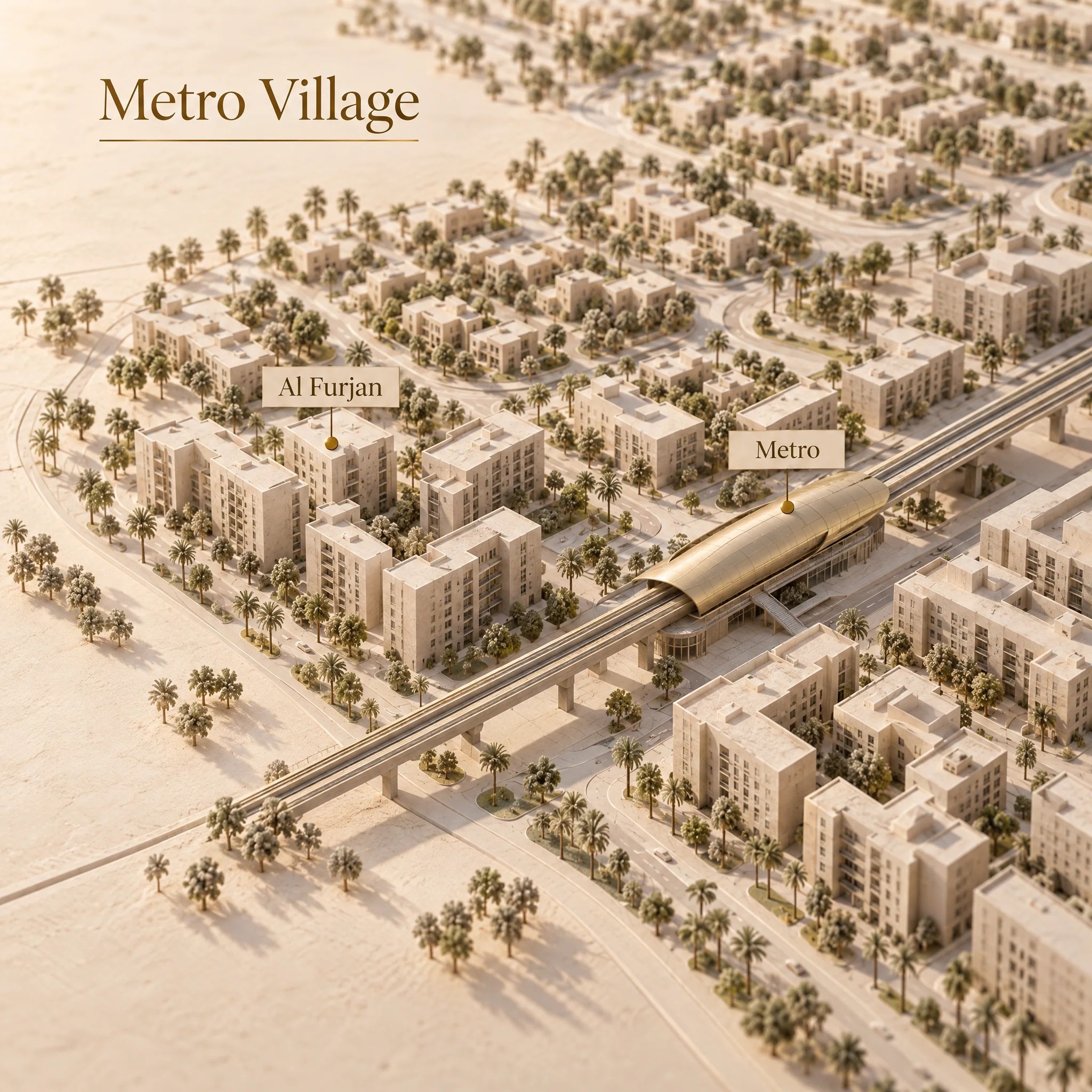
Al Furjan: AED/sqft, yield, best fit by buyer profile (2026)
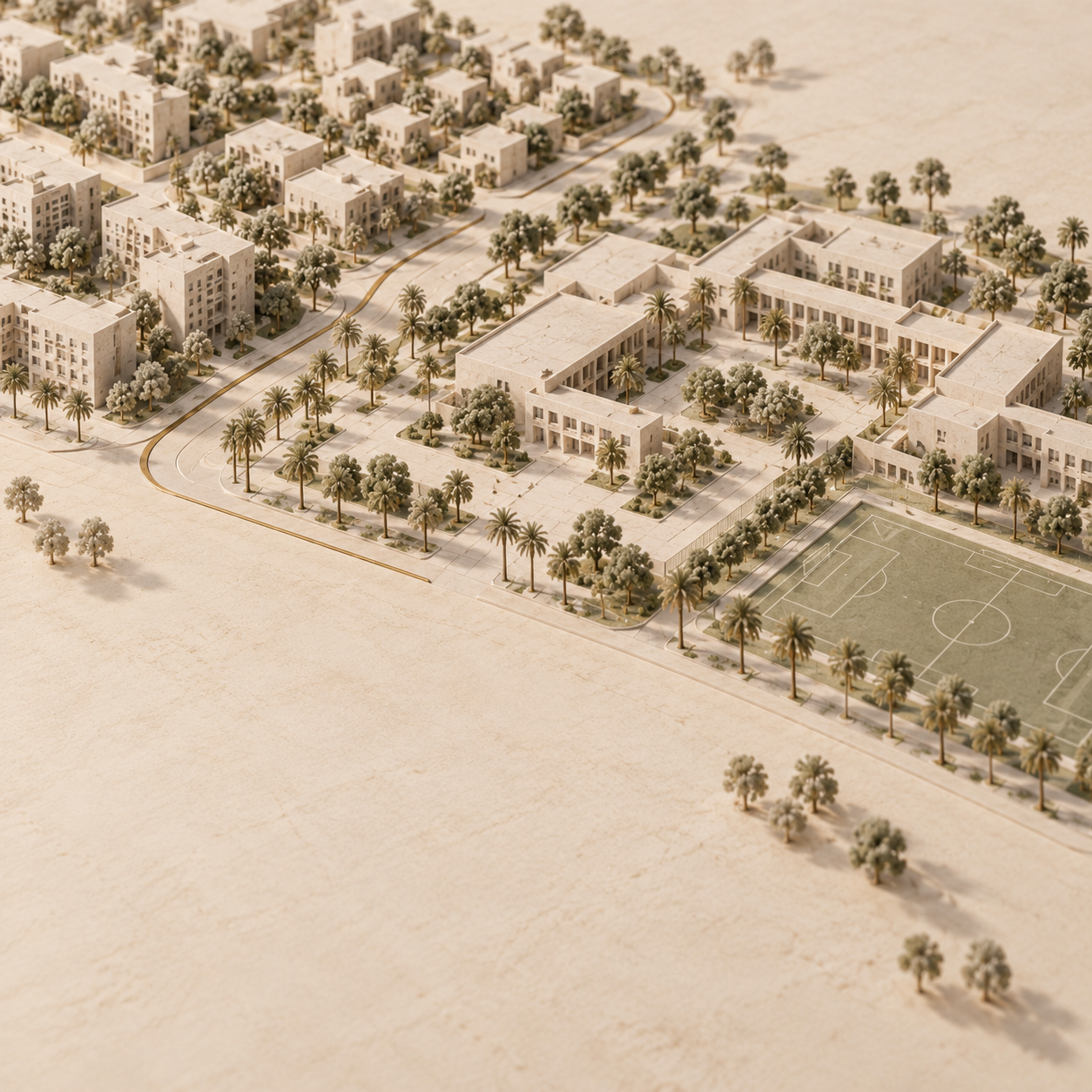
Al Furjan suits households looking for apartments alongside family houses near Jebel Ali. Villas averaged AED 1,677/sqft in Bayut's H1 2026 asking-price report, updated 22 September 2026. Dubai Holding Community Management identifies four-bedroom villas and three-bedroom townhouses in its community description, read 7 October 2026.
Last verified: 7 October 2026. Checked by the publication's independent check, 7 October 2026.
The market today
Al Furjan's villa asking prices and apartment asking snapshots describe different housing samples, so each has its own table and date.
Villa sale asking prices, H1 2026
Source: withlida.com, 7 October 2026, from the explicit Al Furjan row in Bayut's H1 2026 Dubai Sales Market Report, updated 22 September 2026.
These are advertised averages, rather than starting prices or quotations for a particular house. Bayut uses a trimmed mean, a calculation that reduces the influence of extreme advertised values. The report groups this row under villas; it does not provide a separate Al Furjan townhouse bedroom table.
Transaction evidence is separate: the same Bayut Al Furjan villa row reports an average transaction value of AED 5,490,707 for H1 2026. It is not a bedroom-specific asking price. Neither that transaction average nor the villa asking figures supplies apartment prices.
Apartment sale asking snapshot
Source: withlida.com, 7 October 2026, from Property Finder's Al Furjan area-insights price-table data. Selection: Buy, Apartment, and the bedroom count shown in each row.
Apartment annual rent asking snapshot
Source: withlida.com, 7 October 2026, from Property Finder's Al Furjan area-insights price-table data. Selection: Rent, Apartment, and the bedroom count shown in each row; annual amounts.
The separately displayed market-overview median has broader filters:
Source: withlida.com, 7 October 2026, from Property Finder's Al Furjan market overview.
That mixed-stock median must keep its all-property label. Comparing it with Bayut's villa asking averages would mix property types, statistical measures and observation periods.
Price per sqft is the price divided by the stated area in square feet; matching the area basis matters. Gross yield is annual rent divided by purchase price, before costs. Net yield deducts the relevant operating costs. A selected home's calculation needs its own rent, price, approved service charges, maintenance, management and vacancy inputs. The snapshots above do not establish a community-wide net return. The publication's rental-yield source method explains why different source periods and samples produce different answers.
Buying here: the costs and the process
A purchase carries registration fees and property-specific running costs, with the buyer's share recorded in the contract.
The Dubai Land Department, or DLD, registers ownership. Its Property Sale Registration schedule lists the following fees, as of 7 October 2026:
Source: withlida.com, 7 October 2026, from DLD's Property Sale Registration service and Service Charge Index. Items marked separately quoted have no community-wide tariff asserted here.
DLD's Form F, the seller-buyer sale contract, contains fields for each party's share of the transfer fee in clause 11. The currently available form was read on 7 October 2026.
Lida's confirmed resale practice, 21 September 2026: the buyer usually pays the full 4% transfer charge, and the buyer's agency commission is typically 2% of the price plus 5% VAT. These are her confirmed transaction practices. Confirm the transfer allocation in the sale contract and the commission in the agency agreement.
For an illustrative agreed price of AED 950,000, the combined transfer fee is AED 950,000 × 4% = AED 38,000, using DLD's schedule as of 7 October 2026. This is fee arithmetic on an assumed price, not an Al Furjan apartment average or a complete purchase-cost total. The other applicable rows remain part of the completion statement.
Identify the property and the contract inputs
The selected home's title, permitted use, tenancy position, sale price and cost allocation belong in the transaction documents. Form F also provides a service-charge field. A freehold title means ownership rather than a time-limited lease; the selected property's title is the document to verify.
Obtain the required documents
DLD's ready-property sale service lists Emirates ID or a valid passport for non-resident foreigners, and a developer's electronic no-objection certificate, or e-NOC, in freehold areas. Its requirements were verified on 7 October 2026.
Register the transfer
DLD describes document verification through a Real Estate Registration Trustee, entry and audit of the transaction, payment, and electronic title/map outputs. The applicable fee allocation and any financing requirements are confirmed for that transaction.
Source for these ready-sale steps: DLD Property Sale Registration, as of 7 October 2026.
The service-charge check is specific to the property
A whole community is not one approved service-charge rate. DLD's Service Charge Index, checked 7 October 2026, has a project search with Projects, Usage and Year fields, and a title-deed lookup with a Budget Year field. The relevant residential use and budget year must match the selected property's record.
The approved budget, rate, chargeable area, reserve fund and any additional charges form the evidence for that home's annual bill. A rate from another building or an earlier budget year cannot establish its current charge. Mollak is DLD/RERA's system for jointly owned property management and service-charge budgets; inclusion of a project in a search list does not establish a rate for every home in Al Furjan.
Residency is a separate application check
The property-value criterion is one part of an application. As of 7 October 2026, DLD's Golden Visa investor service describes an application for a renewable 10-year residence permit for qualifying property ownership with a purchase value of at least AED 2 million. It also lists title-deed documents, presence inside the UAE, and bank/payment evidence for mortgaged property.
GDRFA's real-estate investor requirements, checked the same day, describe certified property value and a qualifying ownership share. DLD's mortgage wording and GDRFA's documentation requirements need to be checked against the applicant's actual case. A house's asking price alone does not establish residency approval.
Sub-markets within Al Furjan
The useful comparison is between named buildings and house clusters, because format, access and costs differ within Al Furjan.
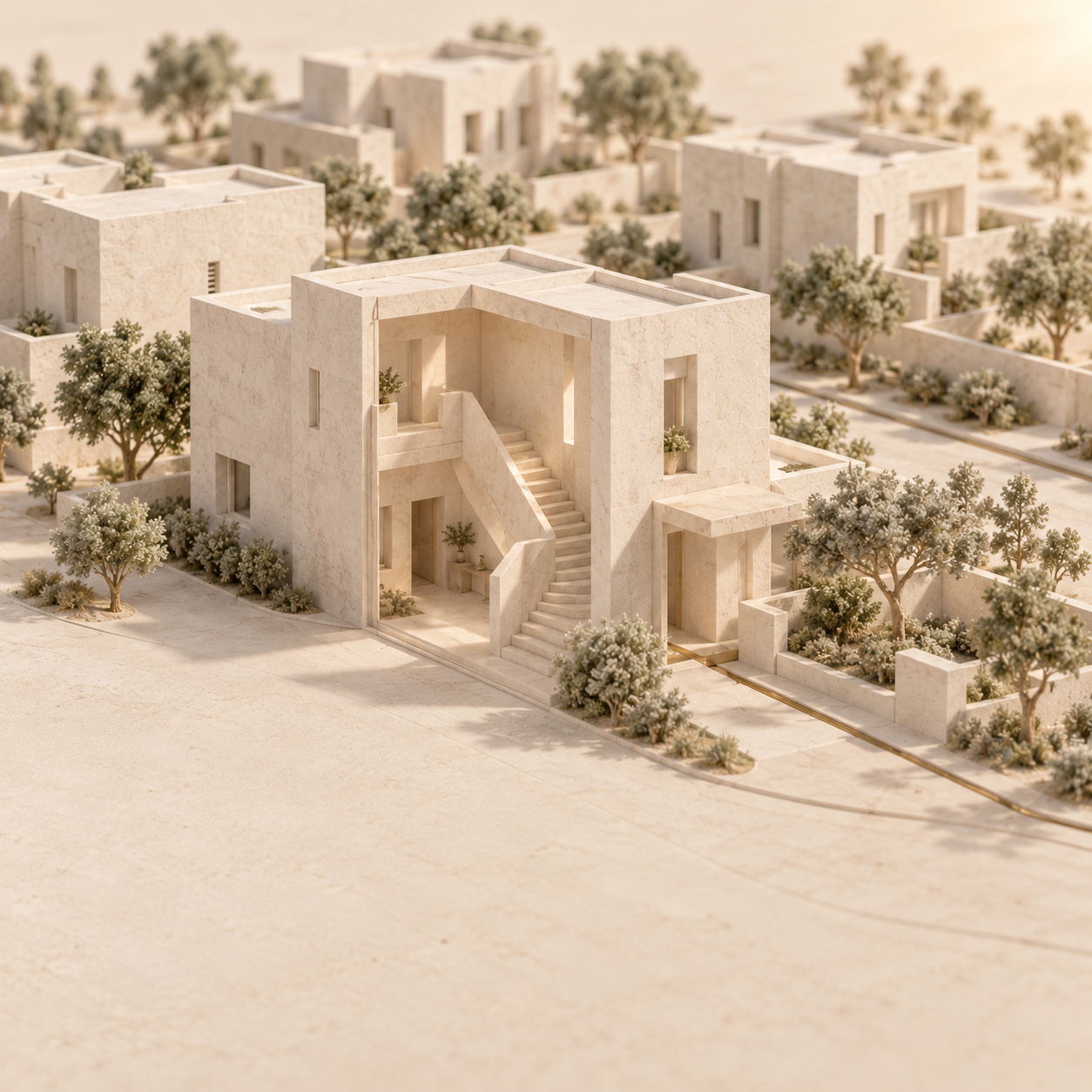
The community manager's Al Furjan description, read 7 October 2026, identifies four-bedroom villas and three-bedroom townhouses. Apartment buildings have their own records. The table retains those distinctions rather than treating every named sub-market as a villa community.
Source: withlida.com, 7 October 2026. Housing references: NABNI Avenue 7 (developer announcement read 7 October 2026), Property Finder Al Furjan, Nakheel Al Furjan, Bayut Dubai Style, Property Finder Murano, DHCM Masakin, and Nakheel's Murooj announcement (page dated 1 February 2022).
The older Murooj announcement establishes what the development described, not the current handover status of a selected home. Likewise, a community-level Bayut villa average does not establish an entry price for each table row. Masakin and Murano remain distinct building-based accommodation references.
Lifestyle and connectivity
Al Furjan combines road access, Red Line stations and family facilities, but the practical journey starts at the selected home.
Location and Metro access
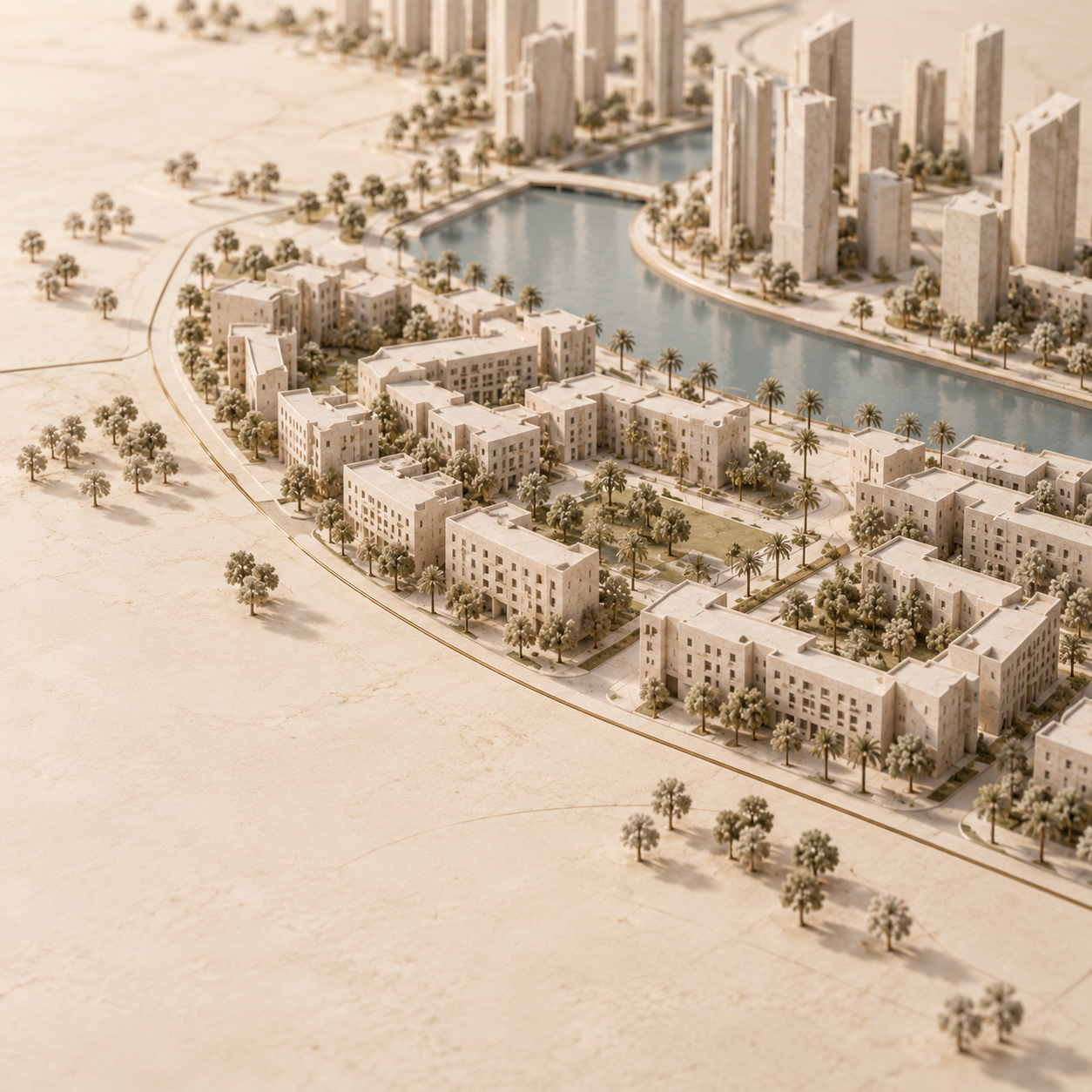
Al Furjan is in Dubai's Jebel Ali area, as described by Property Finder's community guide, read 7 October 2026. Its community manager names access from Sheikh Zayed Road, Sheikh Mohammed Bin Zayed Road and Al Yalayis Road, and proximity to Ibn Battuta Mall and Discovery Gardens. (DHCM, read 7 October 2026.)
Source: withlida.com, 7 October 2026, from RTA's station map, its linked rail-network map published 25 September 2026, RTA's Bus Route List, and DHCM Al Furjan.
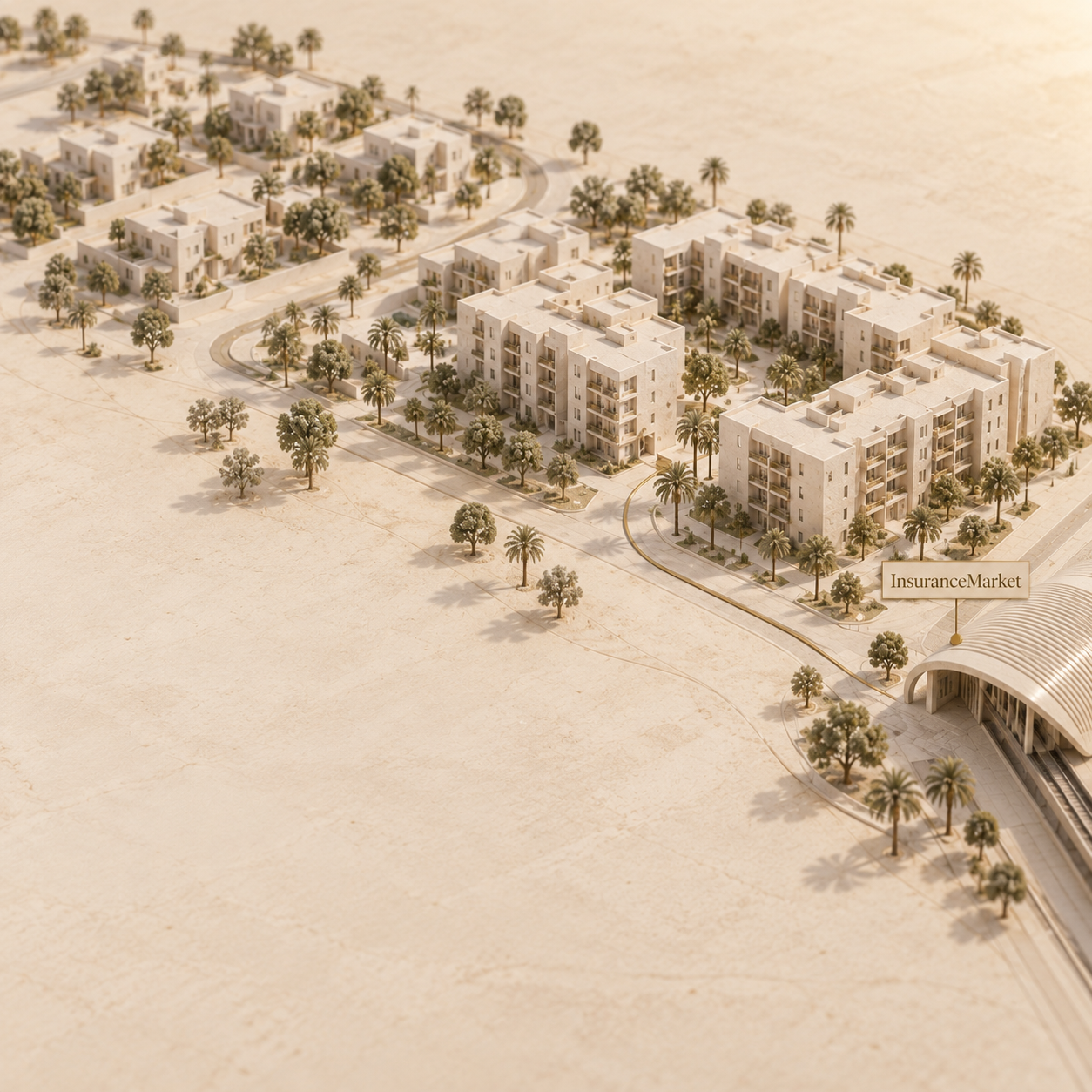
The Red Line network reaches the stations serving Expo City, the Marina/JLT district, Business Bay and Burj Khalifa/Dubai Mall. The current RTA Metro information, checked 7 October 2026, also describes lift access at stations. A map connection is different from a home's door-to-door commute: walking, feeder travel, service pattern and the final destination all matter. There is no uniform Al Furjan walk time or airport drive time.
Family life and the school budget
The community manager lists parks, children's play areas, pools, sports facilities, nurseries, clinics and shopping facilities. Access conditions and the route to each facility depend on the building or cluster. (DHCM Al Furjan, read 7 October 2026.)
Arbor School's own fee page places its campus in Al Furjan and describes a British curriculum from Foundation Stage 1, or FS1, through Year 13. Its 2026-27 charged tuition and KHDA-approved fee are separate columns. KHDA is Dubai's private-school regulator.
Source: withlida.com, 7 October 2026, from Arbor School's published 2026-27 fee schedule.
Tuition excludes uniforms, food, school transport and applicable examination fees. Published tuition does not establish admission availability; the child's year placement, admissions requirements and payment schedule need confirmation with the school. Other nearby-school options can be compared through their own current fees, curriculum and admissions information.
Worked example: Year 1 tuition plus utility activation
For one child in Arbor Year 1 and a flat with small DEWA meters, annual charged tuition plus utility activation requires the following subtotal. DEWA is Dubai's electricity and water authority.
Source: withlida.com, 7 October 2026, from Arbor's 2026-27 fees and DEWA's move-in schedule, as of 7 October 2026.
The arithmetic is AED 125 + 10 + 10 + 10 = AED 155 in activation charges; AED 2,000 + 155 = AED 2,155 for flat activation including the deposit; and AED 63,300 + 2,155 = AED 65,455 for tuition plus activation. Excluding the refundable deposit, that subtotal is AED 63,455. It is a first-year comparison subtotal, not an assertion that every amount is due on move-in day.
DEWA separately lists a refundable villa deposit of AED 4,000 and a large-meter connection charge of AED 300, as of 7 October 2026. Meter size must be confirmed for the property; house type alone does not establish the connection charge. DEWA states that an owner's deposit is refunded upon sale of the premises.
Rent and building costs remain separately quoted inputs. If R is the agreed annual rent, B is the building-related amount payable by that household under its contract, and O is other quoted first-year costs, the example becomes R + B + O + AED 65,455. Owner service charges are not automatically an additional tenant payment. The other inputs include applicable tenancy deposits, agency/Ejari costs, cooling, utility consumption, school extras and moving costs. Ejari is Dubai's registration of a tenancy contract. No amount is invented for those inputs.
Best fit by buyer profile
Al Furjan's strongest household fit depends on the actual home, school plan and commute rather than an area-level return ranking.
Source: withlida.com, 7 October 2026, household comparisons based on the housing sources in the sub-market table, RTA's station map, Arbor's fees, DLD's Service Charge Index and the official residency services linked above.
Apartment households can assess building layouts and a particular station route; house households can assess private space and the school run. Neither format establishes tenant duration, liquidity or a future sale price. A household prioritising waterfront surroundings can also compare the publication's Dubai Marina residential guide using the same daily-life questions.
Future plans and supply pipeline
Named project announcements establish planned housing, while current delivery status requires a dated project record.
Source: withlida.com, 7 October 2026, from NABNI's Avenue 7 construction announcement and Nakheel's Murooj announcement.
These references are not an exhaustive count of Al Furjan's future supply. They do not establish a fixed villa inventory, an off-plan/resale price spread, future rents or future prices.
DLD's Project Status Enquiry, checked 7 October 2026, supports searches by project name or number and provides project, inspection and escrow information. Escrow is the project's dedicated account for development payments. A useful project comparison records the exact phase, registered status, date of the latest inspection, completion target and escrow details. An announced handover date remains distinct from documented completion and possession of the selected home.
FAQ verified 7 October 2026
Which city is Al Furjan in?
Al Furjan is in Dubai, in the Jebel Ali area. Property Finder's area guide, read 7 October 2026, describes its location. RTA's station map, checked the same day, identifies Al Furjan on the Red Line.
Is Al Furjan a good area to buy in?
Its household fit is clearest for people comparing a specific apartment's Metro route, or a family house's layout and school journey. DHCM's housing and amenities description, read 7 October 2026, supports that comparison. Purchase costs and building budgets remain property-specific; the area name does not establish a return or residency approval.
Is Al Furjan part of Dubai South?
Al Furjan is identified as a Jebel Ali-area community in Property Finder's Al Furjan guide, read 7 October 2026. It is a distinct community from Dubai South. Access through the wider Expo/Red Line corridor does not make the two community names interchangeable.
Who owns and developed Al Furjan?
Nakheel is the master developer, with Al Furjan on its own development website. Dubai Holding Community Management publishes its current community information. Both pages were read on 7 October 2026. A master developer is different from the individual owner named on a home's title.
Does Al Furjan have a Metro station?
Yes. RTA's map identifies Al Furjan and Discovery Gardens on the Red Line, checked 7 October 2026. Its English F45 bus entry names Al Furjan and Discovery Gardens. The practical walk or feeder journey depends on the home's address.
What housing formats are available in Al Furjan?
DHCM identifies four-bedroom villas and three-bedroom townhouses in its community description, read 7 October 2026. The wider area also has apartment records in Property Finder's area insights. Masakin's own community page describes low-rise buildings; the named building or cluster matters.
Is Al Furjan suited to family life?
Its published parks, play areas, nurseries and other facilities give families useful daily-life options, subject to location and access conditions. (DHCM, read 7 October 2026.) Arbor's 2026-27 charged tuition supplies a current school-budget input; a place at the school and the route from the home need separate confirmation.
What the data says about Al Furjan
The sourced picture supports an address-specific household comparison: villa asking averages for a defined report period, apartment asking snapshots for a defined selection, and official cost checks for the selected property.
Source: withlida.com, 7 October 2026, from the named and linked sources in the relevant sections above.
The strongest family match is the home whose space, station access and school arrangements work together within the household's quoted budget. An apartment and a house perform different daily-life jobs; their fit cannot be settled by dividing unrelated portal averages or applying one service-charge rate to the entire community.
Change log
2026-10-07 · refreshed · Replaced undated villa/townhouse entry estimates with Bayut's explicit H1 2026 Al Furjan villa asking row, in its report updated 22 September 2026, and kept its transaction average separate. Replaced old apartment bedroom sale/rent estimates with Property Finder's typed asking-price table snapshots read 7 October 2026; retained the all-property label for its separate median. Withdrew the undated apartment AED/sqft and off-plan/resale spread, community-wide service-charge and net-yield bands, unsupported villa rent ranges, generic travel times, recurring-tax assertion, fixed-supply and future-price/occupancy/liquidity conclusions. Corrected Masakin/Murano housing treatment; checked DHCM's formats and roads, RTA's F45 entry and rail map published 25 September 2026. Added Arbor's separate 2026-27 charged and KHDA-approved columns and the recomputed DEWA subtotal. Replaced automatic residency wording with DLD/GDRFA application checks; verified official costs and rules as of 7 October 2026.
Track Al Furjan housing and costs
Get the withlida area watchlist: sourced prices, household costs and transport updates as their source periods change.